 20Hecto
Telehealth Nutrition Monitoring for Chronic Conditions

Telehealth nutrition monitoring is defined as the remote tracking and management of an individual’s nutritional status using digital tools, virtual consultations, and connected devices. For people managing Type 2 diabetes, thyroid disorders, or insulin resistance, this approach replaces sporadic clinic visits with continuous, data-driven dietary support. Registered dietitians use secure video platforms, mobile health apps, and remote patient monitoring devices to assess food intake, review biometric data, and adjust nutrition plans in real time. The result is a care model that fits around your life rather than forcing you to fit around a clinic’s schedule.
What is telehealth nutrition monitoring and how does it work?
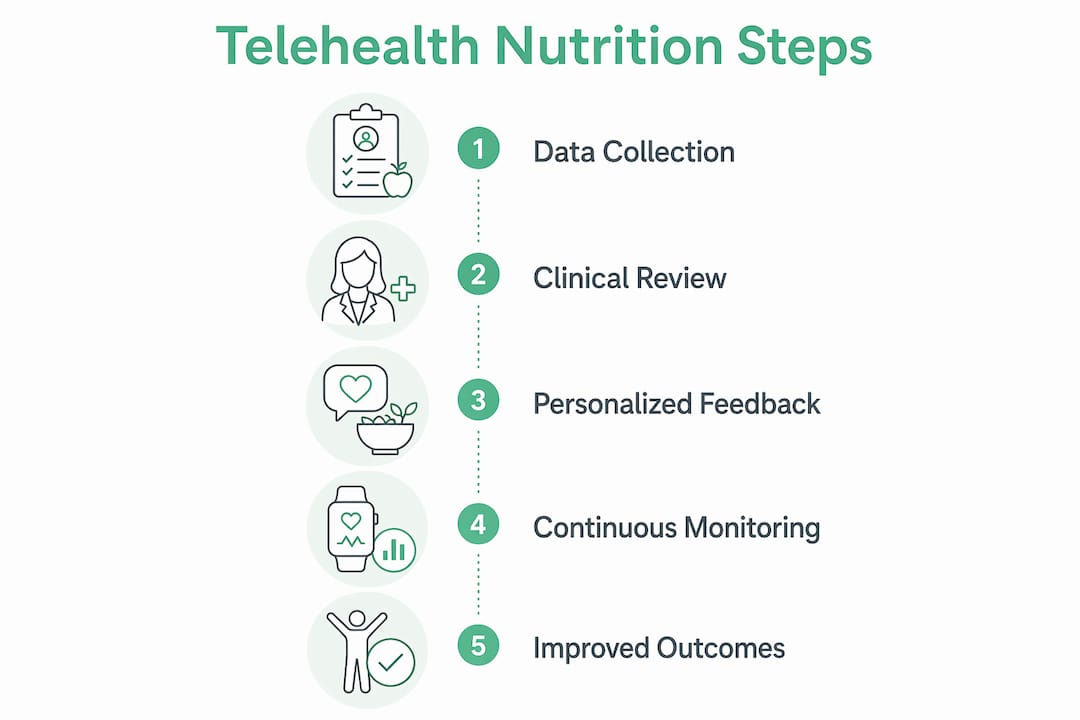
Telehealth nutrition monitoring works by combining three layers: data collection, clinical review, and personalized feedback. Each layer runs continuously rather than once every few months, which is what separates it from a standard dietitian appointment.
Data collection is the foundation. People log meals through mobile apps, wear Bluetooth-enabled glucose monitors or smart scales, and sync biometric readings directly to a shared dashboard. Integrating meal logs with automated device streams produces a more accurate longitudinal nutrition profile than recall-based methods alone. That accuracy matters most for conditions like insulin resistance, where a single high-glycemic meal can shift blood sugar patterns for days.
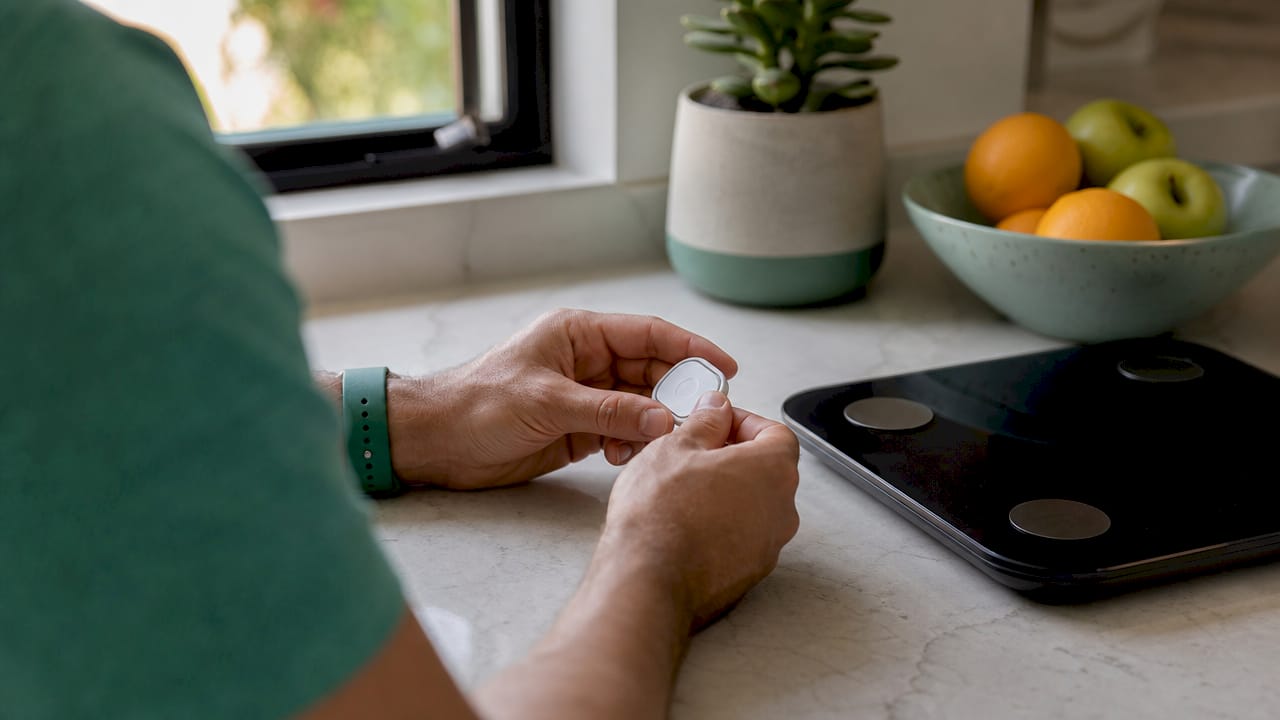
Clinical review happens through scheduled video consultations and asynchronous secure messaging. A registered dietitian reviews the incoming data, flags patterns, and sends feedback between sessions. This structure means you are not waiting six weeks to learn that your breakfast routine is spiking your glucose.
Personalized feedback closes the loop. AI-assisted platforms analyze trends across meals, glucose readings, and weight data, then surface specific recommendations. Personalized remote monitoring increases both adherence and patient satisfaction substantially. That finding explains why programs built around continuous feedback consistently outperform one-off consultations.
Pro Tip: Before your first virtual session, spend one week logging every meal in your chosen app. Arriving with real data gives your dietitian something concrete to work with from day one.
The technical term used in clinical settings is medical nutrition therapy delivered via telehealth, often abbreviated as telenutrition. Both terms describe the same service. Knowing the clinical label helps when searching insurance coverage or locating credentialed providers.
What are the benefits of telehealth nutrition services for diabetes and insulin resistance?
The benefits of telehealth nutrition services go beyond convenience. Clinical evidence shows measurable improvements in diet quality and metabolic markers.
-
Improved diet quality. Five telehealth medical nutrition therapy sessions over six months produced a 5.9% improvement in energy intake from nutrient-dense foods compared to usual care. For someone managing Type 2 diabetes, that shift in food quality directly affects blood sugar stability.
-
Faster access to care. Telehealth nutrition offers 7-day-a-week availability with digital scheduling, eliminating the long wait times that delay metabolic condition management. When your glucose readings are trending in the wrong direction, waiting three weeks for an appointment is not an option.
-
Continuous monitoring enables timely adjustments. Virtual nutrition monitoring catches problems between sessions. A registered dietitian reviewing your weekly glucose and meal data can recommend a dietary change before a pattern becomes a crisis.
-
Long-term outcomes. Clinical improvements in nutrient-dense food intake persist for up to 12 months after telehealth interventions, though ongoing counseling is often necessary to sustain those gains. This is especially relevant for thyroid disorders and insulin resistance, where dietary habits require consistent reinforcement.
-
Cost and insurance coverage. Telehealth nutrition sessions cost around $100 out-of-pocket per session on average, and many insurance plans cover eligible chronic conditions fully. Checking your plan’s coverage for medical nutrition therapy before your first session can eliminate unexpected costs.
The accessibility factor deserves emphasis. People in rural areas or those with mobility limitations have historically faced the largest gaps in nutrition care. Telemedicine nutrition support closes that gap without requiring anyone to drive two hours to see a specialist.
What tools and technologies are used in virtual nutrition monitoring?
Virtual nutrition monitoring relies on a specific set of devices and software working together. The quality of your monitoring experience depends heavily on which tools you use and how well they integrate.
Connected devices
Smart scales sync weight and body composition data directly to your health dashboard. Continuous glucose monitors, such as those using CGM technology, provide real-time blood sugar readings without finger sticks. Fitness trackers capture activity levels, sleep patterns, and heart rate, all of which influence metabolic health. Remote patient monitoring devices transform raw biometric data into nutrition care plans when integrated correctly.
Mobile health applications
Entry-level food logging apps record calorie counts and basic macronutrients. More specialized platforms go further. 20hecto, for example, uses AI to analyze meal photos and return glycemic index scores, macronutrient breakdowns, and glucose correlation data. That depth of analysis is what people managing diabetes or insulin resistance actually need. A calorie count alone does not tell you whether a meal will spike your blood sugar.
Data dashboards and security
Clinical-grade platforms aggregate device data, food logs, and consultation notes into a single dashboard visible to both the patient and the dietitian. Data privacy under HIPAA regulations applies to any telehealth platform handling health information in the United States. Before connecting any device or app to a telehealth service, confirm the platform is HIPAA-compliant.
Pro Tip: Ask your telehealth provider which devices their platform integrates with before purchasing any wearable. Buying a glucose monitor that does not sync with your dietitian’s dashboard creates manual data entry work that most people abandon within weeks.
How to get started with telehealth nutrition monitoring
Starting with telehealth dietitian services is straightforward when you approach it in the right order.
-
Find a credentialed provider. Look for a Registered Dietitian Nutritionist (RDN) who lists telehealth or telenutrition services. The Academy of Nutrition and Dietetics maintains a provider directory that filters by specialty and telehealth availability. Prioritize dietitians with experience in your specific condition, whether that is Type 2 diabetes, Hashimoto’s thyroiditis, or insulin resistance.
-
Check your insurance coverage. Contact your insurer before booking. Ask specifically whether medical nutrition therapy delivered via telehealth is covered for your diagnosis code. Many plans cover it fully for diabetes and obesity-related conditions under the Medical Nutrition Therapy Act.
-
Prepare your baseline data. Gather recent lab results, including HbA1c, fasting glucose, thyroid panel, and lipid panel. Log your meals for at least three to five days before your first session. Arriving with data accelerates the process significantly.
-
Set up your technology stack. Choose a food logging app, connect any relevant devices, and test your video platform before the first appointment. A failed video call in the first session erodes confidence in the whole program.
-
Define specific, measurable goals. “Eat healthier” is not a goal your dietitian can track. “Reduce post-meal glucose spikes above 140 mg/dL to fewer than three per week” is. Specific targets make progress visible and keep you engaged between sessions.
-
Commit to the follow-up schedule. Sustained success in telehealth nutrition monitoring depends on consistent engagement supported by regular personalized feedback. Missing sessions breaks the feedback loop that makes the whole system work.
Key takeaways
Telehealth nutrition monitoring works best when continuous data collection, clinical review, and personalized feedback operate together as a single system rather than as separate steps.
| Point | Details |
|---|---|
| Core definition | Telehealth nutrition monitoring is remote dietary management using connected devices, apps, and virtual dietitian consultations. |
| Clinical evidence | Five telenutrition sessions over six months improved nutrient-dense food intake by 5.9% compared to standard care. |
| Technology matters | Platforms that integrate glucose monitors, smart scales, and meal photo analysis produce more accurate nutrition profiles than recall alone. |
| Cost and access | Sessions average $100 out-of-pocket, and many insurance plans cover medical nutrition therapy for eligible chronic conditions. |
| Long-term commitment | Improvements persist up to 12 months, but ongoing counseling is necessary to sustain results for chronic conditions. |
What I’ve learned about telehealth nutrition monitoring after years of watching it evolve
The technology has outpaced the conversation. Most people asking about telehealth nutrition monitoring are still imagining a video call where a dietitian tells them to eat more vegetables. That is not what the best programs deliver.
What actually works is continuous data visibility. When a dietitian can see your glucose readings alongside your meal photos from the past seven days, the advice they give is categorically different from advice based on what you remember eating last week. Memory is unreliable. Data is not.
The biggest obstacle I see is not technology access. User dropout from telehealth nutrition programs is more often caused by platform usability problems than by poor dietary advice. People quit because the app is clunky, not because the nutrition plan was wrong. That tells you exactly where to focus when choosing a platform. Ease of use is not a nice-to-have feature. It is the feature that determines whether you stay in the program long enough to see results.
The other thing worth saying directly: telehealth nutrition monitoring is not a replacement for your physician. It is a layer of dietary support that sits between your doctor’s appointments and your daily food decisions. For people managing insulin resistance or thyroid conditions, that layer is often the missing piece. Medication manages the condition. Nutrition monitoring manages the daily inputs that medication alone cannot control.
The programs that produce lasting results combine personalized feedback with ongoing surveillance over months, not weeks. If a program promises dramatic results in 30 days, be skeptical. Metabolic health changes slowly. The monitoring has to match that timeline.
— Herve
How 20hecto supports your nutrition monitoring between dietitian sessions
Managing diabetes, insulin resistance, or a thyroid condition means your dietary decisions matter every single day, not just during appointments.
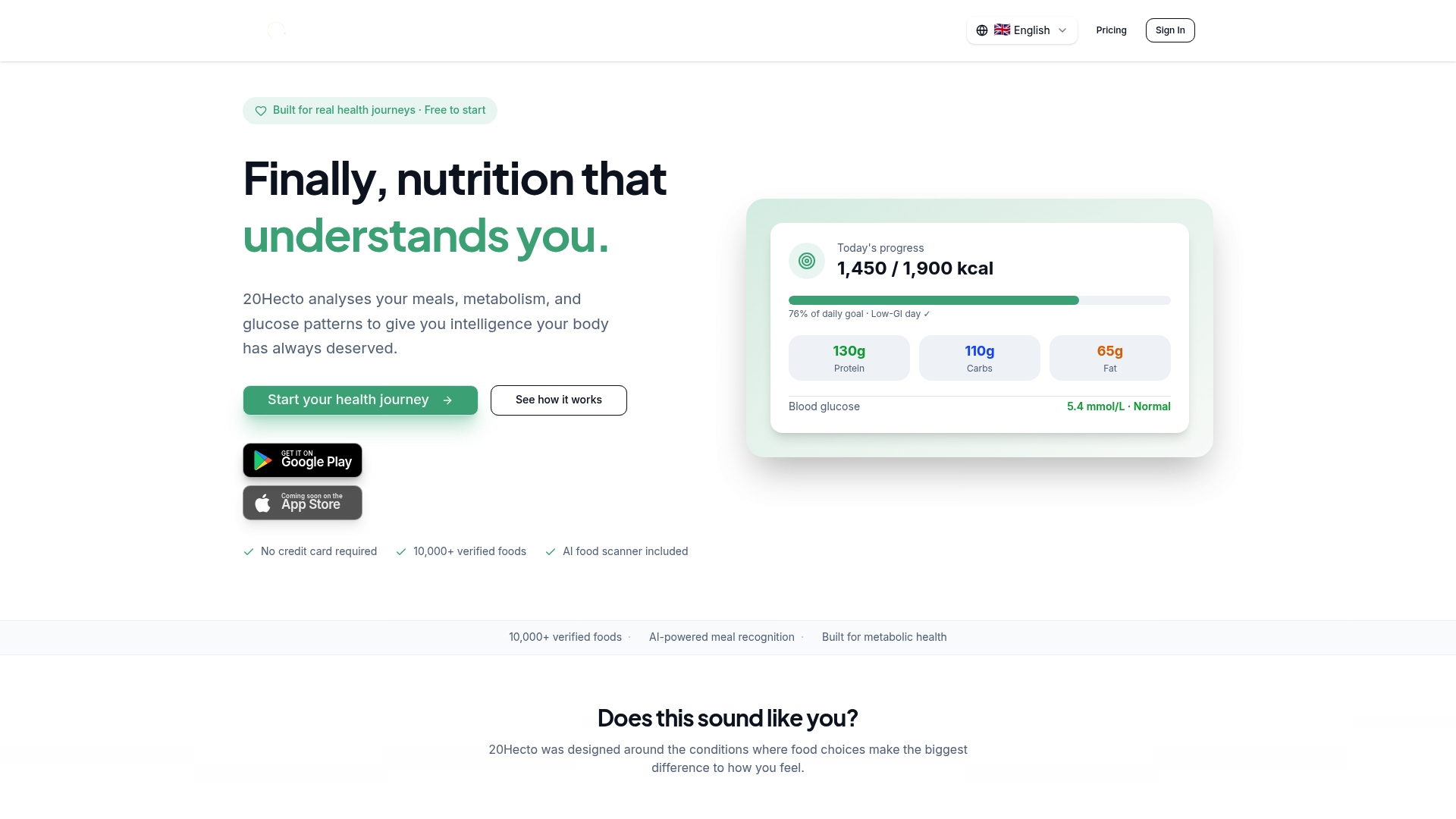
20hecto is built specifically for that daily gap. The app uses AI to analyze meal photos and return glycemic index scores, macronutrient breakdowns, and glucose correlation data in seconds. You can see how a specific meal affects your blood sugar patterns over time, not just in isolation. That kind of pattern visibility is what makes dietary adjustments stick. Explore the 20hecto platform to see how it integrates with your existing telehealth nutrition services, or review the pricing and subscription options to find a plan that fits your monitoring needs.
FAQ
What is telehealth nutrition monitoring?
Telehealth nutrition monitoring is the remote tracking and management of dietary intake and metabolic health using digital tools, connected devices, and virtual dietitian consultations. It is also called telenutrition or medical nutrition therapy delivered via telehealth.
Is telehealth nutrition monitoring covered by insurance?
Many insurance plans cover medical nutrition therapy via telehealth for eligible conditions such as Type 2 diabetes and obesity. Sessions average around $100 out-of-pocket when not covered, so confirming your plan’s benefits before booking is the right first step.
How effective is telehealth nutrition monitoring for diabetes?
Clinical research shows that five telehealth medical nutrition therapy sessions over six months improved nutrient-dense food intake by 5.9% compared to standard care. Improvements in diet quality and metabolic markers can persist for up to 12 months with ongoing counseling.
What devices do I need for virtual nutrition monitoring?
The most useful devices are a continuous glucose monitor, a smart scale, and a smartphone with a food logging app. The specific devices depend on your health condition and which platform your dietitian uses, so confirm compatibility before purchasing.
How do I find a telehealth dietitian for insulin resistance or thyroid conditions?
Search the Academy of Nutrition and Dietetics provider directory and filter by telehealth availability and specialty. Look specifically for RDNs with experience in metabolic conditions, insulin resistance, or endocrine disorders to get advice tailored to your diagnosis.